Thickening of parallel folds in the wall of the small bowel resembling a stack of coins; indicates fluid in the bowel wall. Stack of coins sign refers to the appearance of small bowel folds that are smoothly and uniformly thickened . The margins between the folds are sharply delineated and the arrangement of clearly demarcated parallel folds is likened to a stack of coins or a picket fence.

Full Stack Development Structure. Full Stack Mind Map. Programming

SaaS Tech Stack Your Guide to Success in 2024 OpenXcell
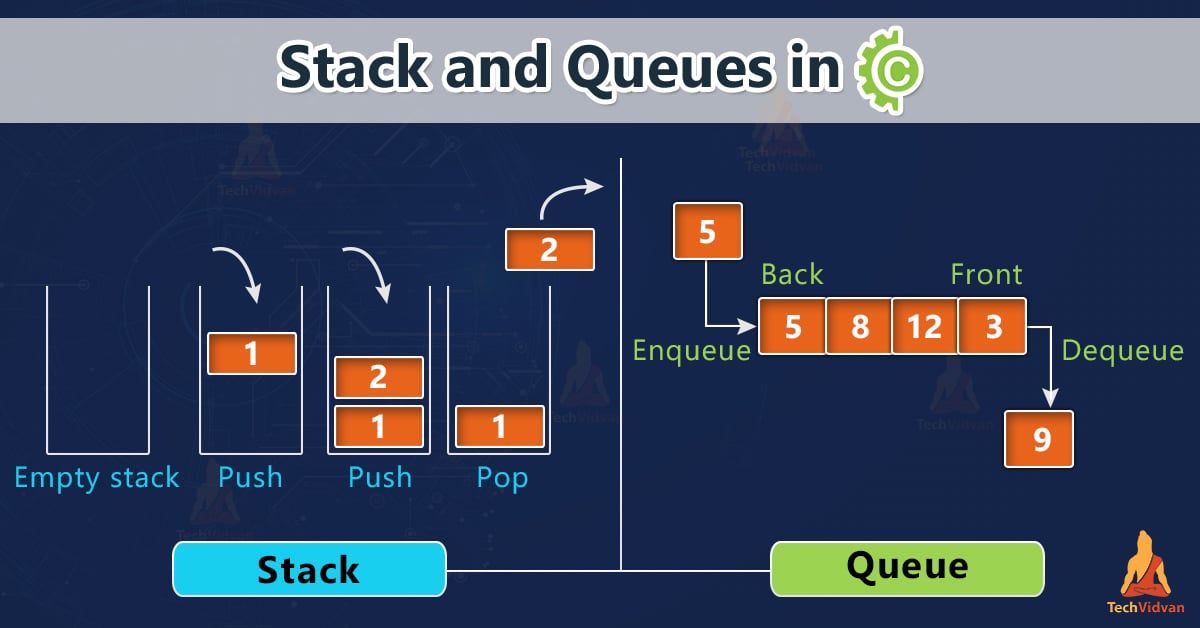
Describe Three Ways Stacks And Queues Differ From Arrays at Brenda
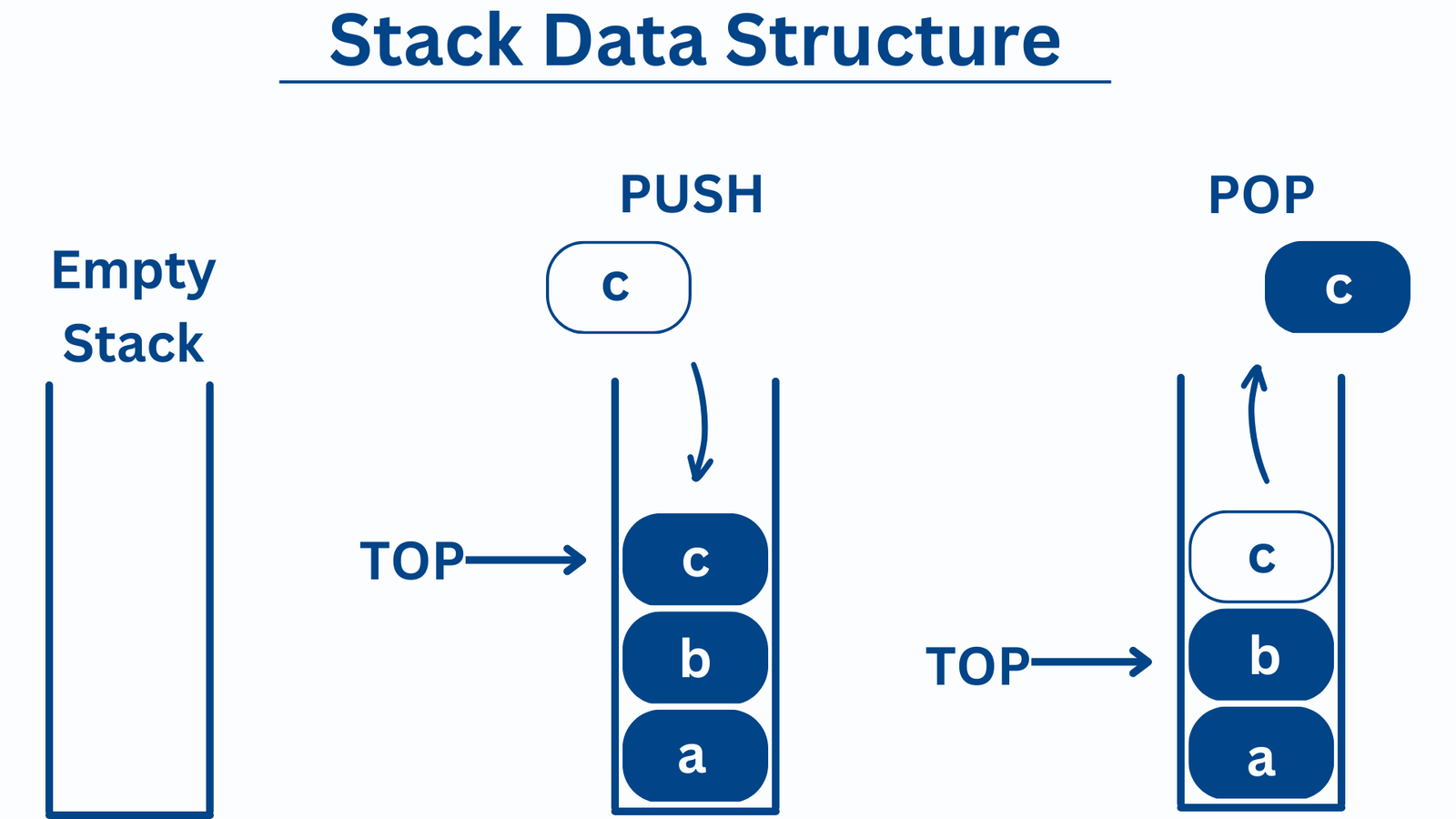
Stack Definition In Data Structure at Marilyn Stumpf blog

What Is Graph Explain Matrix And Linked List Representation Of A Graph

Explain Stack Operations In Data Structure Printable Templates Free

Stack of old vintage books hand drawn color watercolor illustration

systemdesign101/data/guides/aroadmapforfullstackdevelopment.md
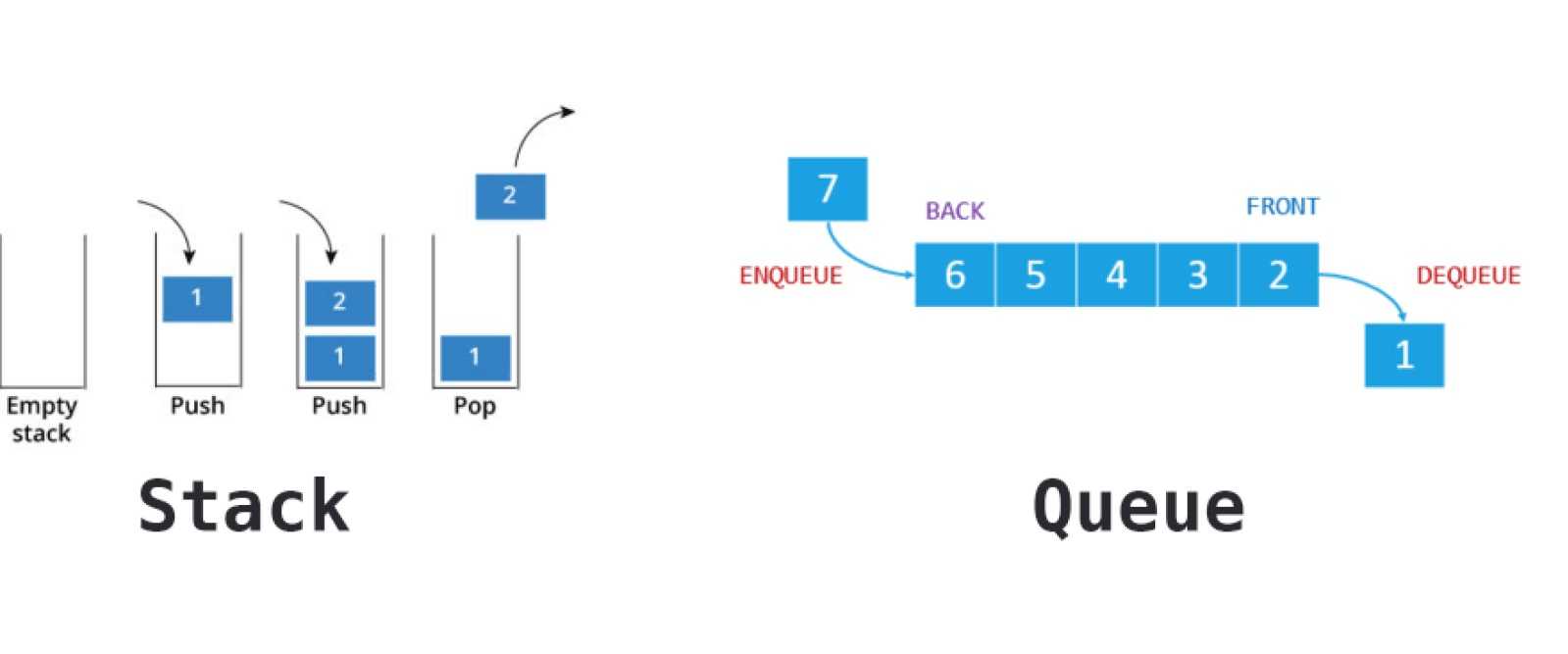
Data Structure and Algorithms with JS Part 3 Stack and Queue Code

Preferred Equity in Commercial Real Estate A Primer Canam Enterprises
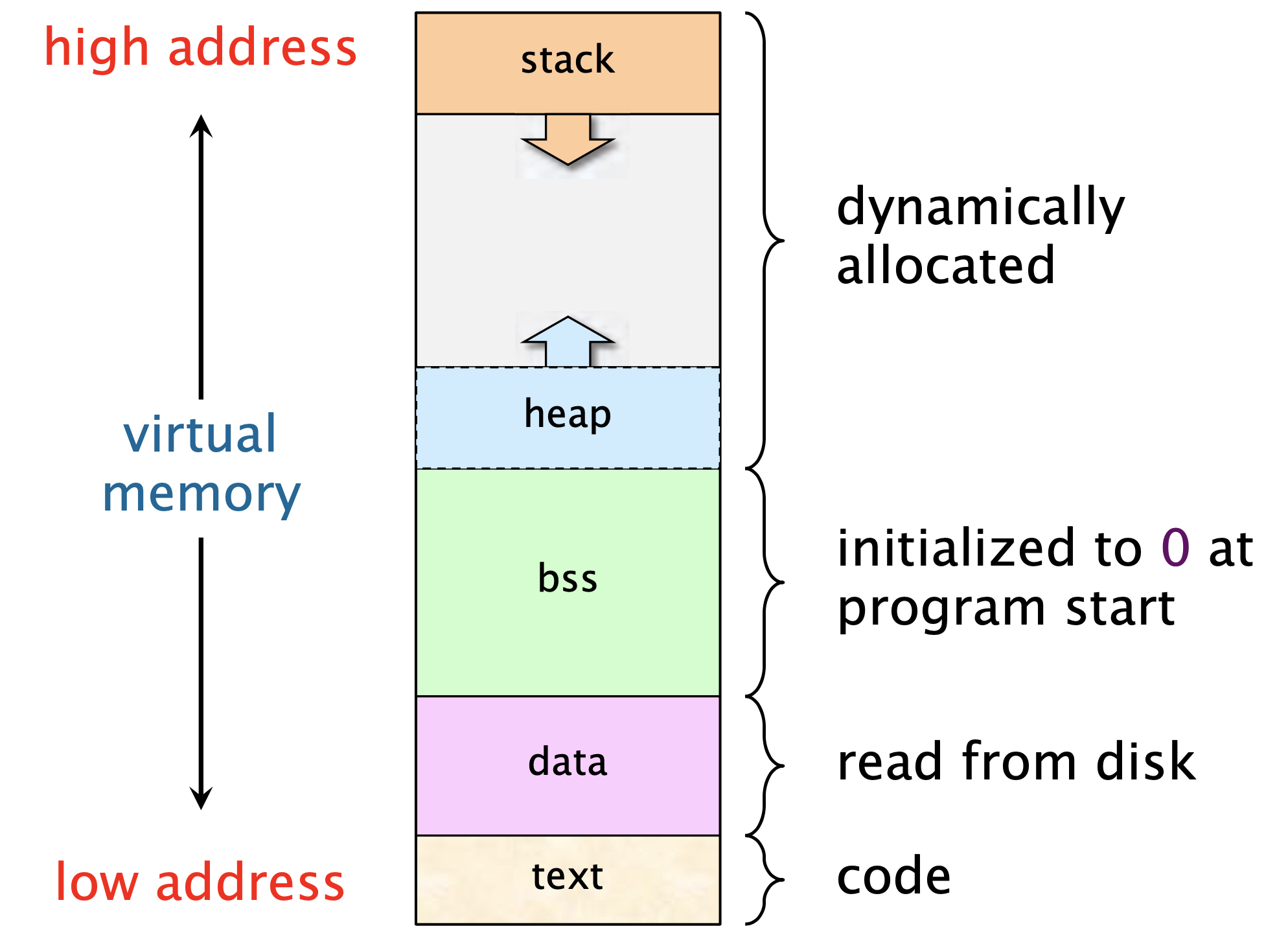
What is stack and heap MartinLwx’s Blog

Emerging Architectures for LLM Applications Andreessen Horowitz
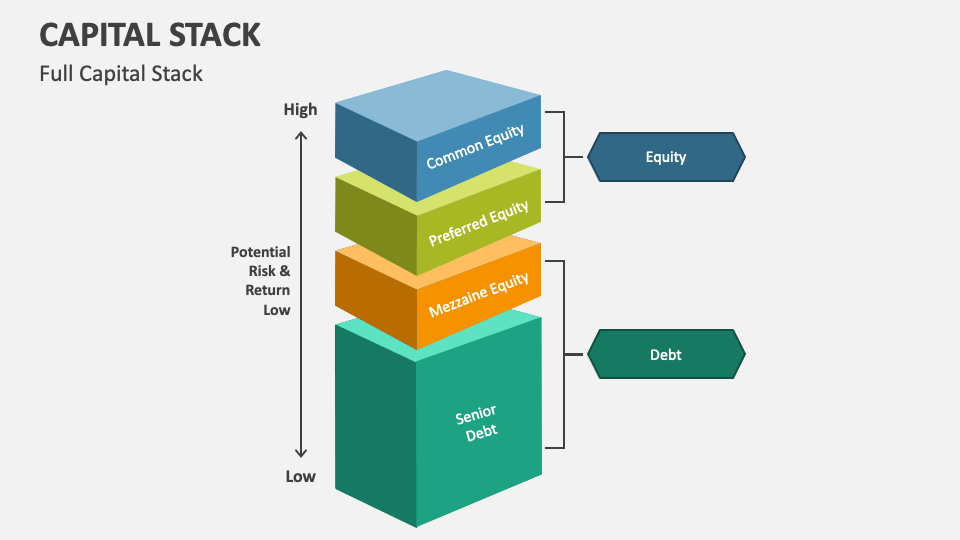
Capital Stack Finance Term at Latoya Zell blog

What Is Stack And Its Types at Randall Starkes blog

EP27 Stack Overflow Architecture. Also… by Theresa

Full Stack Wallpapers Top Free Full Stack Backgrounds WallpaperAccess

Modern Data Stack Benefits, Components & Future Trends

Web Development

Roadmap to a full stack developer Artofit

Unveiling the Fusion Solana and AI Integration Explained Fusion Chat
What is it? The stack of coins sign is a radiologic pattern seen on imaging of the gastrointestinal tract, where the bowel folds appear thickened and closely apposed, resembling stacked coins. It indicates submucosal edema or hemorrhage, leading to thickened and prominent valvulae conniventes.. The “stack of coins” sign typically indicates the presence of a small-bowel hematoma. This sign is seen on plain films or MDCT images and represents adjacent, thickened folds with sharp demarcation and crowding of the valvulae conniventes. [fig. 5]
